Inheritance
An old estate: the owner died thirty years ago
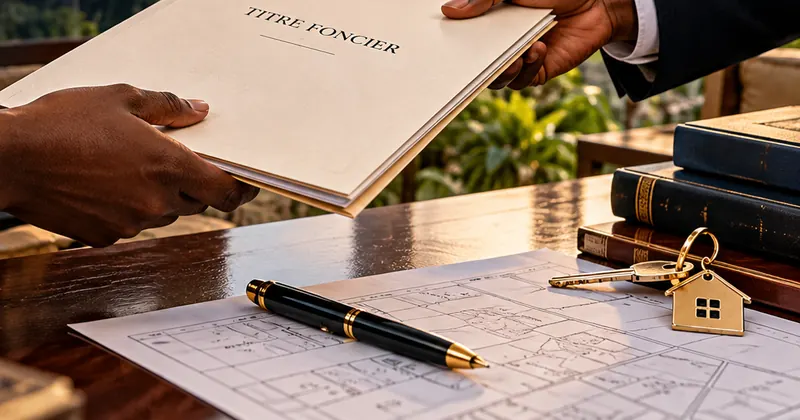
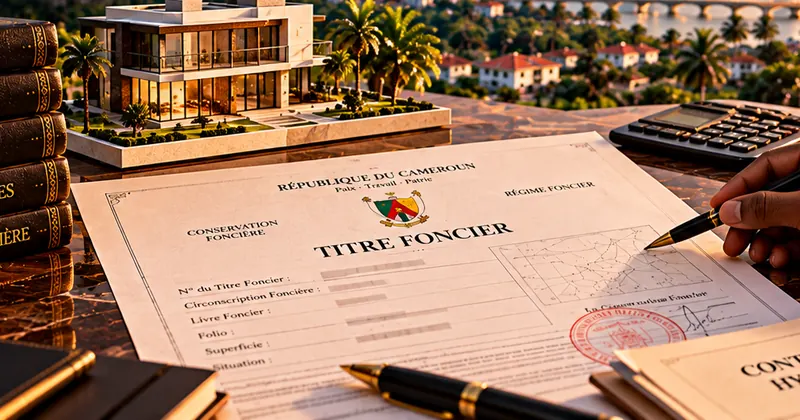
In Douala you often find land titles still in the name of an owner who died in the 1970s or 1980s. Nobody transferred the title, and in the meantime some of the heirs have died too. These files can be settled, as long as you take them in the right order.
One estate often hides another
Take a title in the name of a man who died in 1978. His six children were his heirs. Two of them have since died, and their own children live in Douala, Lyon and Toronto.
Each death opens a separate estate. You have to establish who inherits from the grandfather, then who inherits from each of the children who have died. That means several heirship rulings, and sometimes several estate declarations, before anyone can touch the title.
Finding the documents
The slowest part is often gathering the paperwork: death certificates, birth certificates proving family ties, the original land title. If the original has been lost, that has to be sorted out with the Land Registry first.
A recent certificate of ownership also shows the state of the title today. After forty years it can hold surprises, and an old copy says nothing about what has changed since.
Penalties: the real weight of the years
Inheritance duties are calculated on the value of the assets. When the declaration was never made, late penalties are added. After decades, they can exceed the duties themselves.
The 2025 Finance Act opened a window: no penalties on transfers after death presented for registration in 2025. It closed on 31 December 2025 and, as far as we know, has not been renewed. What remains are the remedies the law provides: paying the duties in instalments, and applying for a waiver of penalties, examined once the basic duties are paid and granted in full, in part, or not at all.
Old entries on the title
An old title sometimes carries a mortgage registered for a loan repaid long ago, or one nobody remembers. However old, it stays on the register until it has been removed, and it will block a sale. Removing it is prepared alongside the estate.
Where to start
- Check the title at the Land Registry with a certificate of ownership.
- Draw up the family tree of heirs, generation by generation, with civil status records.
- Work out the duties and penalties before filing anything, so each branch of the family knows what it will pay.
- Name one contact person per branch, especially if the family is spread across several countries.
We have taken on files that had been open for more than forty years. They take patience, but a title put back in the right heirs’ names regains its full value: it can then be sold, divided or leased long term.
An estate to settle? Tell us who owned the property, the year of death and where the property is. We’ll explain the steps and give you an idea of the duties involved.
This article gives general information. It does not replace advice from a notary or a lawyer on your own file.

Manfred Gabriel Njoh
Founder of Henser Group, consultant in Douala since 2011. He follows each file himself, from the first visit to signing at the notary’s office.